저자: DarioAmodei/JamieDimon · 외국인
요약 보기
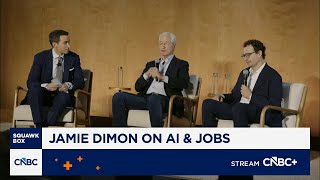
Amodei는 중국의 AI 모델이 6~12개월 안에 따라잡을 것이라고 경고하면서, 대응 방식에 따라 일부 SaaS 기업은 가치가 떨어지거나 파산할 수도 있다고 말했습니다. Dimon은 약 1조 달러 규모의 AI 투자 물결이 칩, 통신망, 하드웨어 등 전반적으로는 타당한 결실을 맺을 것이라고 보지만, 어떤 기업이 승자가 되고 패자가 될지 가려내는 것은 어렵다고 말했습니다. 두 사람은 AI 규제에 대해서도 이야기했습니다. Amodei는 무분별한 방임 방식에는 반대하지만, FDA식 사전 승인 모델이 적절한지에는 의문을 제기하며 출시 이후의 사후 감독을 선호한다고 밝혔습니다. Dimon은 AI가 일자리 지형을 뒤흔들 수 있다는 우려를 드러내면서도, 역사적으로 자본주의는 새로운 일자리를 만들어 왔다고 믿는다고 말했습니다.
다듬은 글
The window to fix AI security flaws is narrowing Anthropic CEO Dario Amodei says that Chinese AI models will catch up in just 6 to 12 months. He issued that warning during a conversation with JP Morgan Chase's CEO Jamie Dimon that I hosted just yesterday moderating with him. Amodei also signaling that some software as a service companies will likely go bust.
Take a listen. I think individual SAS companies it's very possible for them to lose market value, go bankrupt, completely go bust, but but it it it it it depends on on the response, right? I think there are incumbents today that are going to see very clearly, we have a lot of moat here. The moats here are going away.
We're really going to pivot and we'll do better than we did before. And there are others who are not going to pay attention, who are going to be blindsided and you know, they're going to have a really bad time. I asked Dimon if all of the spending in the area, potentially $1 trillion over the next year, makes sense.
The way I look at it is that in total it will make sense. If you want to try to pick the winners and losers, you will have a hard time. So there will be losers in that and there will be winners who will appear and say I told you so and stuff like that, but the technology itself is so powerful it's worth a trillion dollars of investment.
And the investment is way beyond that by the way. It's in chips, it's in wires and it's in hardware and all these other various things. So but you know, technology tends to pay for itself just not in a straight line. We also talked about the theme of AI regulation and the idea that the White House could take steps to vet models before their release as possible as part of a possible executive order.
We don't want a wild west where you where you can just do anything, right? We chose to do what we did with with Mythos, but there's there was literally no law, no requirement, you know, preventing us from just offering this thing to the wild with no safeguards. So that's not yes. So that's not that's not going to work.
Now, the example you gave of the FDA, I think the FDA, you know, slows down medical progress a lot. So you know, that's a cautionary tale in the other direction. I had mentioned whether there should be the equivalent of FDA for these models where you have to get them approved before they go out. I think they don't love the idea.
I don't think they love the FDA idea. He likes the the actually the National Transportation Group. That you moderate that you monitor it once it's out there? I think that that there's some oversight as cars are coming out and they're they're kind of monitoring all the time, but it's a little bit different.
That was sort of the model he thought was sort of more interesting in that regard. I'm sure that is the the way that everybody in Silicon Valley kind of kind of reads it. I had a conversation with Jensen Huang the other day and it was very similar. The idea of government regulation should be there, but not until after we get it out.
The you know, the the whole idea of move fast and break things. You know, they say move fast, not break things, but it's not wanting to ask permission for these things. I think it's pretty pretty universal through the industry. Meantime we also got involved in a interesting conversation about what all this could mean for jobs.
We talked about how just a couple weeks ago Verizon CEO Dan Schulman made headlines warning of 20 to 30% unemployment in the United States within two to five years due to AI. Here's Jamie Dimon's take on that. Technologies have made mankind's lives better forever starting with agriculture and electricity and internet, all these things were used by bad guys too by the way.
All of them have got some kind of regulation proper over regulated sometimes. So I think it's a legitimate when you look at this technology, it is exponential. And if you look at agriculture and steam engine electricity and so it took years to kind of roll those in and the capitalist society is very good at recreating jobs and creating new things and life is better.
Not always if that town loses a you know, loses a factory, but in general better and we should worry about the people get hurt by something. So I think it's a legitimate concern. I don't think it's going to be like quite like that. We're going to have a a lot more from that interview a little bit later including a conversation about the state of conversations between Anthropic and the Pentagon.
And we'll probably show you a clip of that in just a little bit. Yeah, it's I mean look, these are the big ideas that all of these thought leaders are kind of running through at this moment. How do you play it out? Probably the extremes are are inaccurate, but there are going to be real places where you know, Jamie's right.
Agricultural, all of these changes that we've watched roll through, but this is faster and you wonder if that leaves more disruption in the wake. He also and we didn't get to show the full clip because it it was a long much longer conversation, but you know, talked about what are the things that the government should be doing?
Is it really about training? Is are there better jobs that they can get you into if you're a truck driver and all of a sudden we have autonomous trucks, what are you going to do? Is that the answer? Do you get into a whole sort of redistribution UBI scenario? Right, that's the question that it comes back to all the time.
There are going to be disruptions, there are going to be people who fain feel pain and how to deal with that. But everyone always says we got to somehow get ahead of it, but no but I think one of the points that Jamie said was we don't know what ahead of it even means and that's the hardest part about it.




Comments 0