저자: 미상 · 외국인
요약 보기
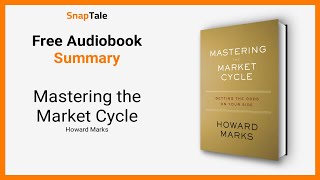
하워드 막스의 『Mastering the Market Cycle』 요약 영상이다. 핵심 결론: 시장 사이클은 반복되며 투자자는 단기 사이클과 감정(탐욕·공포)을 이해해 유리한 위치를 잡아야 한다. 투자의 기본: 포트폴리오를 구성해 가치 상승을 기대하되 미래를 정확히 예측할 수 없으므로 아는 정보에 집중하고 자산의 진정한 가치보다 싸게 사는 것이 목표다. 사이클 이해: 사이클은 반복 패턴이며 호황 뒤에는 침체가 올 가능성이 크므로 투자자는 이를 예상해 포트폴리오를 준비할 수 있다. 닷컴 버블(1995~2002): 벤처 투자자들의 무모함이 극단적 사례로 제시되었고 많은 기업이 파산하고 주가가 급락했으나, 벤처 시장은 20년간 평균적으로 성장했다. 감정과 시장: 행복감과 공포가 시장 등락을 만든다. 호황기에는 과잉 매수, 공포기에는 투매가 일어나며 군중 심리를 거스르는 합리성이 중요하다. 위험 프리미엄: 호황기에는 투자가 안전해 보이고 침체기에는 위험해 보이지만 실제로는 반대다. 가장 좋은 투자 시점은 경기 침체기로, 위험이 낮고 상승 잠재력이 크다. 예시로 2010년 침체된 미국 주택시장이 제시되었다. 장기 추세: GDP 성장은 노동시간과 생산성에 좌우되며, 베이비붐과 18세기 말~19세기 초 기술 진보가 사례로 언급되었다. 장기 성장에 기대기 전에 단기 사이클을 살펴야 한다. 종합: 막스는 단기 사이클에 주목하고 신뢰할 만한 정보에 기반한 단기 예측과 감정 통제가 성공 투자의 도구라고 강조한다. 특정 종목이나 자산에 대한 구체적 가격 전망·목표가는 없다.
다듬은 글
Howard Marks, " Mastering the Market Cycle, Getting the Odds on Your Side ." Dive into the insightful world of investing and financial market cycles with Howard Marks' book, Mastering the Market Cycle, Getting the Odds on Your Side. This brief will guide you through the complex maze of investments and market fluctuations, helping you make informed decisions .
Uncover the true value of assets, the pitfalls of long-term forecasting, and the importance of understanding market cycles. Learn to recognize recurring patterns of booms and busts by exploring the role of human emotions in driving market fluctuations. You will gain valuable insight into the mindset of a seasoned investor, along with some impressive real-life examples, presented in engaging and accessible language.
Mastering the art of investing. The investor's task is to invest in a number of assets, known as a portfolio, in the hope that its value will increase over time. However, it is impossible to predict the future with any accuracy, so investors must discipline themselves in the art of making informed assumptions.
The key is to focus on what you know, that is, all the information you can get about the true value of a particular asset. The goal is to buy assets when they are cheap and wait for market developments to increase their price. In addition, a sophisticated investor should consider financial cycles as the third component of their investment strategy.
Understanding market cycles. The author defines a cycle as a recurring pattern and draws parallels between natural cycles and market cycles. Although market cycles are not as predictable, informed investors can anticipate changes in the market. After a market boom, a downturn is likely to occur, and investors can prepare their portfolios accordingly.
This excerpt examines market trends in the short and long term and highlights the importance of positioning yourself within market cycles. Financial cyclicality and the dot-com bubble. Financial cycles follow a repeating pattern of growth and fluctuations around an age-old trend. The dot-com bubble of 1995–2002, fueled by the recklessness of venture capitalists investing in online companies, is an extreme example of this pattern.
The bubble led to the bankruptcy of many companies, losses for venture investors, and a sharp drop in stock prices. However, on average, the venture capital market has been growing over the past 20 years with sharp short-term fluctuations. Cycles in markets, economies, and companies tend to follow this pattern, which we will explore in more detail in the next part.
Emotional extremes and market fluctuations. The book explains how human emotions, including euphoria and fear, lead to market ups and downs. During a boom, investors get confused and start buying excessively, leading to a market boom. However, eventually, fear sets in, forcing investors to sell, and prices fall sharply.
Herd mentality is difficult to resist, which shows that remaining sensible is key. The best investor. The key to successful investing is to pay attention to risk premiums and understand market trends. As the author notes, investors often make the mistake of believing that investing is risk-free during market upswings and high-risk during downturns.
However, it is the opposite. The best time to invest is during a recession, when risk is lowest and the potential for market upswings is highest. The author illustrates this point with the example of the US housing market in 2010, which was very depressed but had population growth, indicating the potential for increased demand.
By focusing on risk and market trends, investors can gain an edge and make profitable decisions. Understanding age trends. Age trends in GDP are the foundation of economics, and it is crucial to understand how they change over time. Growth rates depend not only on the number of hours worked , but also on productivity.
The baby boom phenomenon is an example of how employment levels dictated the growth pattern. In contrast, technological progress led to significant economic growth between the late 1700s and early 1800s . Therefore, it is unwise to count on future growth without paying attention to short-term cycles.
Howard Marks, " Mastering the Market Cycle, Getting the Odds on Your Side, " offers a comprehensive understanding of the complex world of investing and market fluctuations. By examining different market cycles, the book emphasizes the importance of sound short-term forecasts based on valuable and accessible information.
It emphasizes the role of human emotions, particularly fear and greed, in driving market swings, and also dives deep into age-old trends that have been developing for much longer. By the end of this journey, you will be well- equipped with the necessary tools and mindset to become a great investor. Those who pay attention to short-term cycles and position themselves favorably for financial success.

댓글 0