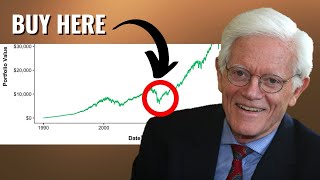
저자: ProminentFinance채널운영자/영상속인용인물PeterLynch · 외국인
요약 보기
피터 린치의 'dip 매수' 사례를 소개하고, 펀더멘털이 유지되는 기업의 주가 하락은 매수 기회가 될 수 있다는 결론을 제시한다. 린치 사례 1: 폴라로이드는 주가 130→100 하락 시 '싸다'고 매수한 사람들이 1년 내 18까지 떨어져 손실을 봤다. 하락 자체는 매수 근거가 아니라는 교훈. 린치 사례 2: 카이저 인더스트리는 26→16→10→3까지 하락했으나, 부채가 없고 카이저스틸(40%), 카이저알루미늄(32%) 등 자회사 가치가 큰 지주사였다. 시가총액 약 7,500만 달러 수준으로 과소평가됐고, 회사가 해체·주주 분배를 하며 주당 약 50달러 가치가 실현됐다. 핵심 교훈 1: 기업을 이해하지 않고 가격만 보고 사면 하락 시 매도 판단을 못 한다. 주식은 종이조각이 아니라 사업이다. 핵심 교훈 2: 사업 펀더멘털이 그대로인데 주가만 떨어지면 신규 매수나 추가 매수의 기회가 될 수 있다. 리스크 경고: 망한 기업 사례도 있다(RCA, 더블니트, 플로피디스크, 웨스턴유니온). 주가가 싸다고 무조건 회복되지 않으며, 원금 손실 한도는 투자금 전액이다. 공매도 전문가들은 7달러에서도 '0까지 간다'고 보고 있었다는 언급도 있다. 운영자 사례: 애플을 2018년 말~2019년 초 아이폰 판매 부진으로 주가가 크게 빠졌을 때 포트폴리오의 40%를 매수했고, 이후 주가가 400% 이상 상승했다고 소개한다. 구독·좋아요 유도 및 채널 목표(세계적 투자자 연구를 통한 투자 역량 향상)가 마무리 메시지로 나온다.
다듬은 글
anyone that's been following this channel knows that I'm a huge fan of Peter Lynch Lynch Rose the prominence running the legendary Fidelity Magellan fund and writing books such as one up on Wall Street one of my top five favorite investment books of all time over his 13-year career running the Fidelity Magellan fund the fun averaged a nearly 30 percent annual compounded return meaning one thousand dollars invested in his fund turned into over thirty thousand dollars a little more than a decade with a track record like that it is clear that if you want to learn more about investing you should be learning from Peter Lynch these impressive results are the reason I frequently incorporate lessons I have learned from studying Peter Lynch both in my personal investing and in my job as an investment Analyst at a large investment fund based in New York City in this video we're going to watch one of my favorite clips of Lynch where he talks about how one of his best investments came as a result of buying the dip as opposed to panic selling after the clip we're going to break down this strategy and talk about how I applied the strategy to find an investment that made me over three times my investment over the past two years the ultimate goal is for you to apply these investment lessons in your own portfolio but first make sure to like this video And subscribe to the channel if you aren't already because it is my goal to help make you a better investor by studying the world's greatest investors without further Ado let's Dive In excuse me is a lot of times people buy on the basis the stock has gone down this much you know how much further going to go down I remember when Polaroid went from 130 to 100 people said here's this great company great record whatever gets below 100 you know just buy every share you know and it did get below 100 a lot of people bought on that base and saying look it's got 135 to 100 it's not 95 what a buy within a year it was 18.
and this is coming with no debt I mean it was just so overpriced it went down uh I did the same thing in my uh I think my first or second year Fidelity Kaiser Industries had gone from 26 this year to 16. I said how much lower can it go it's 16. so I think we bought one of the biggest blocks ever on the New York on the American Stock Exchange of Kaiser Industries at 14.
I said you know it's gone from 26 to 16. how much longer can I go well at 10 I called my mother and said mom you're going to uh look at this Kaiser Industries I mean how much lower can it go it's gone from 26 to 10. well it went to six it went to five it went to four and went to three and uh now I am fortunate this happened rapidly I would probably be still cattying or I'll be a bit of working at the Stop and Shop but I it happened fast I was able to say it was compressed that uh and at three I figured out you know there's something very wrong here because Kaiser Industries owns 40 of Kaiser steel they own 40 percent of Kaiser Aluminum they own 32 percent of Kaiser cement you know Kaiser broadcast they know in Kaiser Santa gravel Kaiser Engineers they own Jeep they own business after business and they had no debt now I learned this very early this might be a breakthrough for some people it's very hard to go bankrupt if you don't have any debt It's Tricky some people can approach that it's a it's a real achievement but they had no debt and the whole company at three was selling at about 75 million at that point it was equal to buying one Boeing 747 I said there's something wrong with this company selling for 75 million I was a little premature at 16 but uh I said everything's fine and eventually this will work out and they what they did is they gave away all their shares to their shareholders they passed out shares that guy's meant they passed out chairs in kaisalum they passed out their public shares and Kaiser steel they sold all the other businesses and you got about fifty dollars a share and but if you didn't understand the company if you're just buying on the fact the stock I got from 26 to 16 and then it got into 10.
what would you do when it went to nine what would you do when to eat what would you do when went to seven this is the problem that people have is they sell stocks because they didn't know why they bought it then it went down and they don't know what to do now do you flip a coin do you walk around the block you know what do you do it's psychiatrists that haven't worked so far I've never seen them running in this the psychological Psychiatry fund I've never seen a list listed for the uh with the SEC to make it through as a mutual fund so I they haven't seen to help I've tried prayer that hasn't worked the uh the uh so if you don't understand the company you have this problem when they go down uh eventually they always come back uh this one is a this one doesn't work either uh people think uh RCA just about to get back to its 1929 High when General Electric took it over uh a lot of double knits never came back remember those Beauties uh uh floppy disks Western Union uh the list goes on and on uh people saying it'll come back well it doesn't have to come back uh here's another one you hear all the time it's three dollars how much can I lose I've had people call me up saying I'm thinking of buying the stock at three how much can I lose well again you may need a piece of paper for this but if you put uh if you and if you put twenty thousand dollars in a stock at 50 or your neighbor put 20 000 at full at fifty into the stock and you put twenty thousand dollars in a three and it goes to zero you lose exactly the same amount of money everything if people say it's three how much can I lose well if you put a million dollars on it you can lose a million dollars just the fact that this is the only this may be a reason a researchers thought the fact of stock is three down from 100 doesn't mean you should uh buy it and in fact short sellers people that really make money in stocks they don't show at Walmart they're not sure at Home Depot they're not sure they're great companies Johnson they short stocks down from 80 to 7.
they'd like to short it at 16 or 22 but they they figured out at seven that this company is going to go to zero they just haven't blown Taps on this thing yet it's going to zero let's take a second to break down the situation Peter Lynch faced when he invested in Kaiser Industries because once we do it'll help you understand why Lynch was able to have the courage to buy the dip in the company's stock price instead of panic selling when the stock fell in value for background Kaiser Industries was a conglomerate but simply it was a large company that owned many smaller companies Kaiser Industries owned companies such as Kaiser Aluminum Kaiser steel and Kaiser cement Lynch was able to identify this company as undervalued and as an attractive investment he bought a large amount of stock at 14 a share however after the purchase the stock price continued to fall pretty substantially all the way to three dollars a share why did Peter Lynch not panic sell like most investors did at the time and why did he even go as far to encourage his own mom to buy shares in the company it is because he truly understood what the company did continue to believe the underlying fundamentals of the business remain strong despite what happened with the stock price this is why he continued to buy more and more shares as the price fell once the company hit its low of three dollars a share the company was so undervalued that the management of the company was forced to dissolve the conglomerate and distribute the businesses that it owned to the people that owned the shares for every 100 shares a shareholder owned of Kaiser Industries a stockholder got 25 shares of Kaiser Aluminum 13 shares of Kaiser steel and seven shares of Kaiser cement once this happened the value of the company increased dramatically making this investment one of Peter Lynch's most successful Investments of all time here are the main takeaways for investors one truly understand the company behind the stock you own if you view stocks as companies with underlying business fundamentals as opposed just pieces of paper that float around in price you will be more comfortable with price fluctuations this leads me to my second main takeaway if the underlying fundamentals of the business remain unchanged but the stock price is declining that could be a sign of a great buying opportunity either to start a new position in a stock or ADD to your Holdings in that stock one of my most successful investments in my stock portfolio came as a result of following this strategy I had been following Apple closely for years and viewed the company as one of if not the most dominant business in the world Apple customers have immense brand loyalty and the company is highly profitable with a strong ability to generate cash additionally the company is growing its high margin Services side of the business Apple had been on my watch list but I didn't purchase the company because it wasn't undervalued that was until a pullback in the stock price in late 2018 and early 2019 allowed me to purchase the stock at a huge discount Apple stock had sold off because of disappointing iPhone sales in a couple of quarters short-term Focus investors suddenly didn't want to own this great company and sold their shares causing the stock price to fall however I still knew that the underlying fundamentals of the company remain strong long-term demand for the products remained solid and the company saw at a bright and very profitable feature because of this I viewed this pullback as strong buying opportunity and invested 40 percent of my portfolio into Apple stock without following the lessons I learned from Peter Lynch I wouldn't have had the conviction to buy the stock during a significant pullback in the stock price because I understood apple as a company I saw the disconnect between the fundamentals of the company and its share price since my investment the company's stock price has rallied more than 400 percent so there we have it thanks for watching and I hope you enjoyed the video and learned something useful make sure to like the video and subscribe to the channel because it is my goal to make you a better investor by studying the world's greatest investors talk to you soon

Comments 0