저자: 미상 · 외국인
요약 보기
Peter Lynch의 투자 원칙을 소개하는 독일어 교육 영상이다. 결론: 개별 종목 투자는 주가가 아니라 기업 자체를 분석해야 하며, 투자 전 준비(멘탈·여유자금·개인 역량)가 우선이다. Peter Lynch가 1977~1990년 Fidelity Magellan 펀드를 운용하며 연평균 수익률 29.2%를 기록했다고 언급되며, 그 기간 1,000유로가 28,000유로로 불어났다는 예시가 제시된다. 영상은 그의 저서 'One Step Ahead of the Stock Market'을 기반으로 한다. 핵심 준비 단계는 멘탈과 기업 이해이며, 투자 전 던지는 세 가지 질문은 주택 보유 여부, 해당 자금이 생활비인지 여부, 인내·끈기·결단력·개방성 등 개인 역량 충족 여부다. 종목 선정 6단계 중 핵심은 기업 규모와 업계 내 비교, 6가지 주식 범주 분류, 그리고 13가지 기업 특성 점검이다. 특성 예시로는 지루한 회사명, 애널리스트 미추적, 루머로 인한 주가 하락, 침체 산업이나 틈새시장, 반복 구매되는 제품, 내부자 자사주 매입 등이 언급된다. 재무지표로는 PER, 현금 보유액, 부채비율, 재고 증감, 배당, 현금흐름, 성장률 점검을 권한다. 기업 간 지분 관계도 고려해야 하며, 예시로 Fortnite 개발사 Epic Games 대신 지분 연결된 Tencent 투자가 언급된다. 마지막으로 펀더멘털 분석을 중심에 두고 기술적 분석은 진입·청산 보조 도구로 쓰는 혼합 접근을 제안한다. 영상에는 대상 자산에 대한 1~3개월 가격 방향 예측 발언이 없다.
다듬은 글
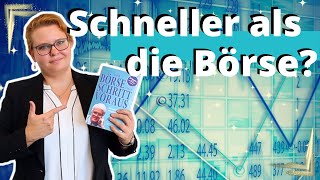
Peter Lynch, a legendary fund manager, managed to transform a small fund into one of the world's largest funds, the Fidelity Magellan, in just 13 years. He also published a book in which he reveals his most important tips for private investors, and that's exactly what we'll be taking a closer look at today.
29.2% was the average annual return of the Fidelity Magellan fund when Peter Lynch was its manager. Welcome to our channel! And, of course, this fund pays very, very well. To make this more tangible and understandable, here's a small example: Imagine you had invested €1,000 in the fund in 1977, because that's exactly when Peter Lynch took over.
In the following 13 years, until 1990, that €1,000 would have grown to €28,000. And that's already... A hefty payment deadline, just imagine how much you would have had to save per month, or even work again if you said you'd put that aside. But anyway, of course, we can't act like, for example, Peter Lynch, the fund manager.
That's precisely why he published a book, " One Step Ahead of the Stock Market." I know it's a few years old, but still very relevant. It's missing, above all, more fundamental principles on how to find the right stock for you. We should proceed again and not be bound to any particular time periods.
Which fundamental principles are you currently familiar with, or from whom, and what are your experiences? Feel free to write them in the comments so we can exchange ideas and, of course, see each other. Okay, we are your mentors and teachers. So, enough with the preamble, let's finally get to the actual video.
The first point Peter Wünsch strongly recommends is the whole topic of preparation. This includes mentality, meaning your own perspective on everything, and of course, a certain basic understanding. Because Peter Wittstock also carries the risk of an investment, which doesn't come from the investment itself but from the investor.
Furthermore, Peter Lynch also says in this section that you're not investing in a company's share price but in the company itself, which is why we absolutely must look at the company for you. The current share price is an additional point, which we'll see later, but it's not the first step. Additionally, you should ask yourself three important questions before you start investing.
The first question is: Do you own a house? Here, Peter Lynch's view is that acquiring a house is a good investment plan. Of course, you need to look very, very closely at the house itself, its structure, whether the rooms and surroundings suit you. And of course, a house is a long-term investment, and you're not designed to constantly monitor and check the market.
Here's some additional information from me: Owning a house used to be a completely different story. As is often the case nowadays, you don't necessarily need to own a house if you want to go down this path. You can look at a few things, but above all, you need the right mindset. But we'll get to that in a moment.
The second question you should ask yourself is: do you need the money for something else? This means you should only invest money if you're okay with losing it, and not if that money would affect your daily life. If the latter is the case, then please do n't invest. The third question is quite simple: do you meet the personal requirements for investing?
Specifically, what skills do you have, or rather, what skills should you develop? These include patience, perseverance, decisiveness, and openness. But you also need to be able to weigh things up completely and not let emotions get the better of you. For example, if there's a lot of hype in the market, it's always noticeable among the population.
The second part of the book deals primarily with selecting the right winners, i.e., how to find the right stocks. For you, and you have something very, very Bavarian, six steps. The first step is also the starting point for everyone, namely that you receive a hot tip or information that a company currently offers a very, very good investment opportunity.
This information is usually based on a product launch or, for example, the development of a new service, and so on. So, a new product from a company or the company itself is entering a new market. If it's the latter case, then you should be very, very careful because that's a different kind of investment.
But as a first step, you should look at how much profit the company is making, because the company has regulated and planned everything. The market in Vienna is also taking this into account. Perhaps there's already a preliminary, separate agreement. In the third step, you should check how big the company is and also compare it to other companies in the same industry to know where it stands.
In the fourth step, you should classify these shares and this company into one or two of the six share categories. These calories If you'll find it displayed here again, and you're still convinced by the company, or if it has made a positive impression so far in the evaluation, then the fifth step is for you.
This involves examining this company according to the 13 company characteristics. These are as follows: First, you should check if the company name sounds boring or even ridiculous. In this case, that's actually a positive because Peter Wünsch assumes it's not complicated and therefore much harder to remember.
The second point should also include whether the company deals with industrial ideals. If it's boring and wet, it shouldn't be a big hype in that sense, but can simply mean something that is actually quite commonplace. But it's precisely these commonplace things that can work very, very well. The third characteristic is whether the company produces something unpleasant.
Fourth, you should check whether the company is a subsidiary of the parent company. In other words, is there a parent company, and are there any subsidiaries that you're looking at? The fifth characteristic is usually an important point: Are analysts following this company? Or not, if they don't, it's usually even positive because then the market isn't so drastically affected, and you can benefit much more from the potential increase.
Another characteristic is that the rumor mill is running rampant. For example, the company is rumored to have dowry waste or to be involved with the mafia. But it's really just rumor and not actually true, because rumors initially lower the share price but have no long-term impact. Otherwise, it will normally rise again, offering you a chance for returns.
A seventh possible characteristic for a company is that it has something depressing about it. Please don't misunderstand. For example, it could be that the company operates in the funeral sector, but it can also be very successful there. Because, as strange as it sounds, things have to be done below ground, and it has to be paid for.
1.8 The characteristic for a possible entry point is that the industry is currently stagnating. Another very favorable aspect for a company. And that is, if the company operates in a niche market, so we've almost made it, we can still consider four aspects. One is that you have to keep buying it, which is an everyday product like medication or soft drinks.
There are also the benefits of these new technologies. Buying into this company, or rather, the company owner, and buying back shares is also important. Of course, not all company characteristics have to be fulfilled; however, the more there are, the better, naturally for the investment. If only one or two criteria are met, then it might not be a good thing.
As for the text, you should of course now also check the company's key figures, such as the P/E ratio, the cash reserves, how high they are, the debt ratio, and whether the inventory levels are increasing ( that would be a very bad sign) or decreasing. Are dividends paid? What is the cash flow? What is the company's growth rate?
So, really, pay close attention to the company's key figures, which are very important for investments. Here's another additional point to consider: Second auditors also consider the extent to which a company holds stakes in other companies, or vice versa, as this can also have an influence. Let's take a small example: suppose someone wanted to invest in Fort Meade back in July 2017, because that's exactly when the game was released and, of course, it was a huge success, generating very good numbers.
Fortnite (starting with version 8) is distributed by Epic Games. However, this company itself isn't listed on the stock exchange; it's not even active there. This means you can't buy shares in this company. But—and this is where it gets interesting— Epic Games' shorter holding company, Tencent, is listed on the stock exchange.
So, you can acquire shares from these companies. If you had followed my blog posts, you could have also achieved a good return for the simple reason that it had a really positive impact, and Tencent's share price rose sharply during the period of its initial boom. If, in the end, you determine that the company you looked at meets all the positive criteria, scores 5, or is generally a good investment, then you can invest right now.
You see, Peter Wünsch strongly follows a fundamental approach, meaning investing directly in the company and not just focusing on the share price. That's exactly what he does, and he incorporates technical analysis as an additional tool. However, that doesn't mean technical analysis shouldn't be used at all, or that it can't be successful.
There are also some managers and investors who work exclusively with technical analysis and achieve good results. In my opinion, the mix is particularly good because you're investing in the company, which means you have to look at the company, and the stock chart is also a very good indicator for entering and exiting the market.
That's when you can buy and when you should sell. What do you think? Haven't you ever considered these two approaches? Feel free to share your experience in the comments and let's exchange ideas, learn from each other, and move forward. That's all for today's video. We hope you enjoyed it, and if you want to delve deeper into the topic...
If you want to delve into finance, then subscribe to our channel and also hit the bell icon so you always get the latest info. A new video will be uploaded, and the economy will also be covered. Best of luck with finance and trash, see you next time here at Finance Compact.
Comments 0